

Future Ideas
Development Trusts deliver projects for the benefit of the community. They should address at least one area of their Local Place Plan, act within the aims and powers listed in their published Articles of Memorandum of Association and be sustainable.
Need Space In Callander?
We are exploring the creation of a new community centre in Callander and we are gathering interest from organisations of all kinds - community groups, businesses, pop ups, start ups, tutors, clubs, project teams and creative practitioners who need space.
Your input will help shape what facilities are developed and how the centre can best support your needs - whether a community gathering, event or commercial venture.
If you might need space in the future we would love to hear from you.
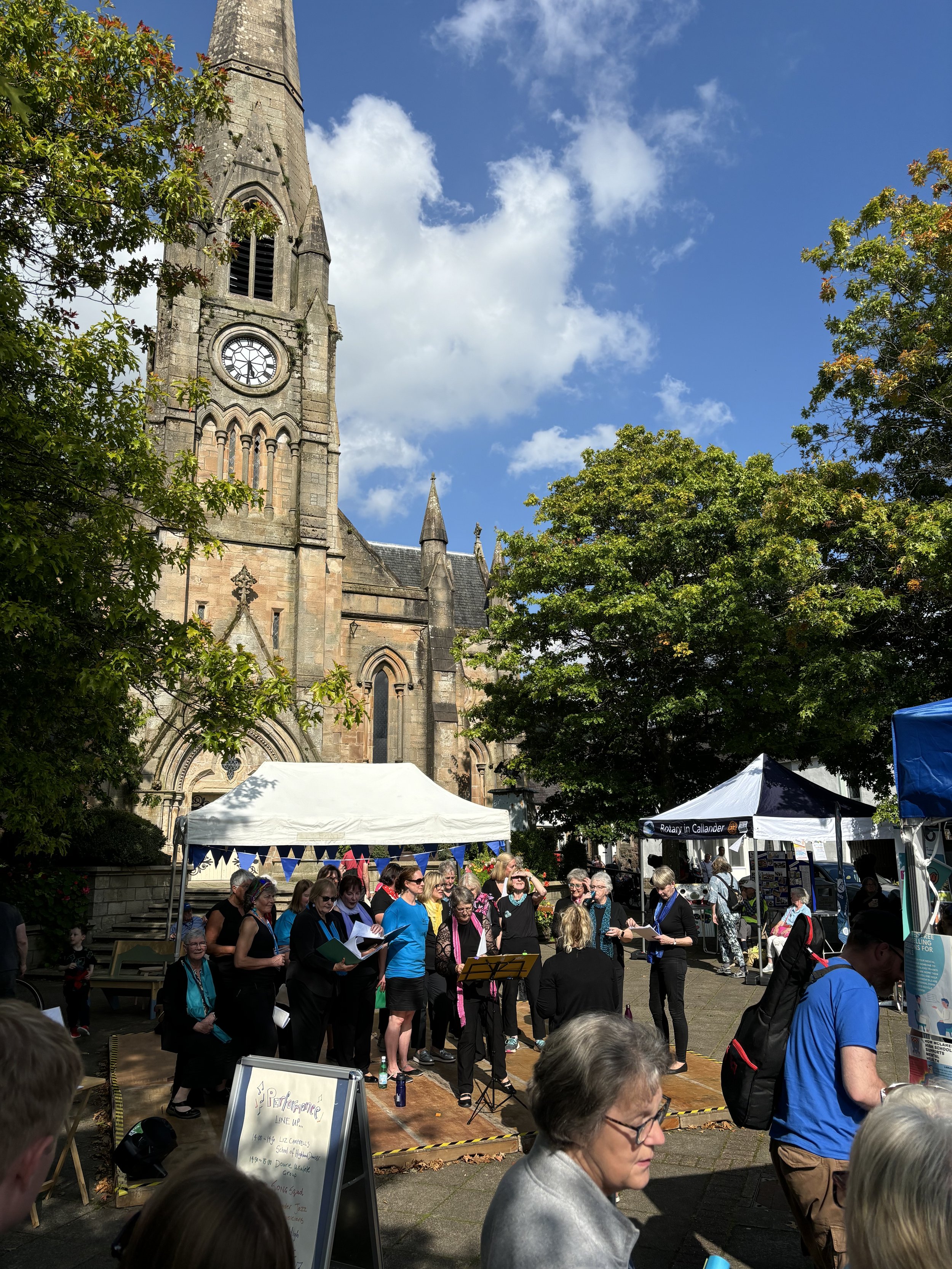
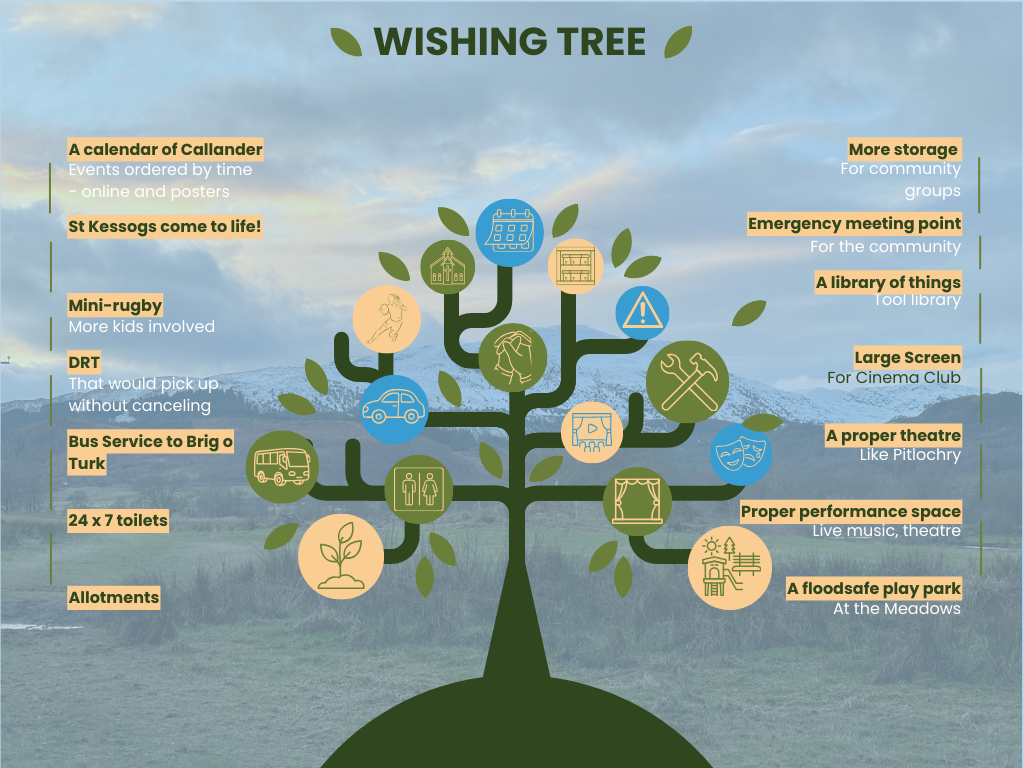
What are your future ideas for Callander’s community development?
Major development projects follow the 8 stages set out by the Royal Institute of British Architects
Project feasibility and goals are determined. This can include a strategic appraisal of one or more sites to house the concept.
Stage 0: Strategic DefinitionStage 1: Preparation and Brief
A detailed plan is created, outlining everything the project needs — its purpose, budget, and timeline. Here, the developer and other construction professionals would pursue Pre-Application Planning Advice to complete tasks like a Procurement Strategy and Environmental Assessment. Engagement with the local council often starts here, as well as initial community consultation.
Stage 2: Concept Design
Different design ideas are explored by the design team based on the project brief. This is often supported by a Landscape and Visual Assessment and a Design Statement that is in conformity with the National Planning Policy Framework and Local Plan(s).
Stage 3: Spatial Coordination
The chosen design is refined, adding more detail and technical specifications, until a full Planning Application is made. This involves spatial planning considerations of the impact of the site on its local area, such as Connectivity and Transport, Social Value, Utilities Impact, Flood Risk, and Biodiversity Net Gain. Ongoing consultation is used to identify threats and opportunities that could hinder or improve the project’s quality. This is another point where the community might be consulted for feedback on the look and feel of the project once implemented.
Stage 4: Technical Design
Detailed drawings and specifications are created for the construction process. At this stage, the developer would need to apply for a Building Regulations Application and draw up a Construction Phase Plan.
Stage 5: Construction
The actual building work.
The finished building is handed to the client, paperwork is completed, and the project is finalised. Key documents include a Health and Safety Manual, Fire Safety Manual, and a Defects List if applicable.
Stage 6: Handover and Close Out
Building performance is monitored, and any post-occupancy issues are addressed.
Stage 7: In Use
Some of our “current” future ideas
Meadows Masterplan
Envisioning enhanced uses for the Meadows and Station Road car park areas
Callander Old Primary School
A vision to acquire and convert the outgoing Primary School to a Community, Arts, Education and Training Centre.
McLaren Communities Futures
An emerging partnership of 10 communities working together to build our collective resilience.